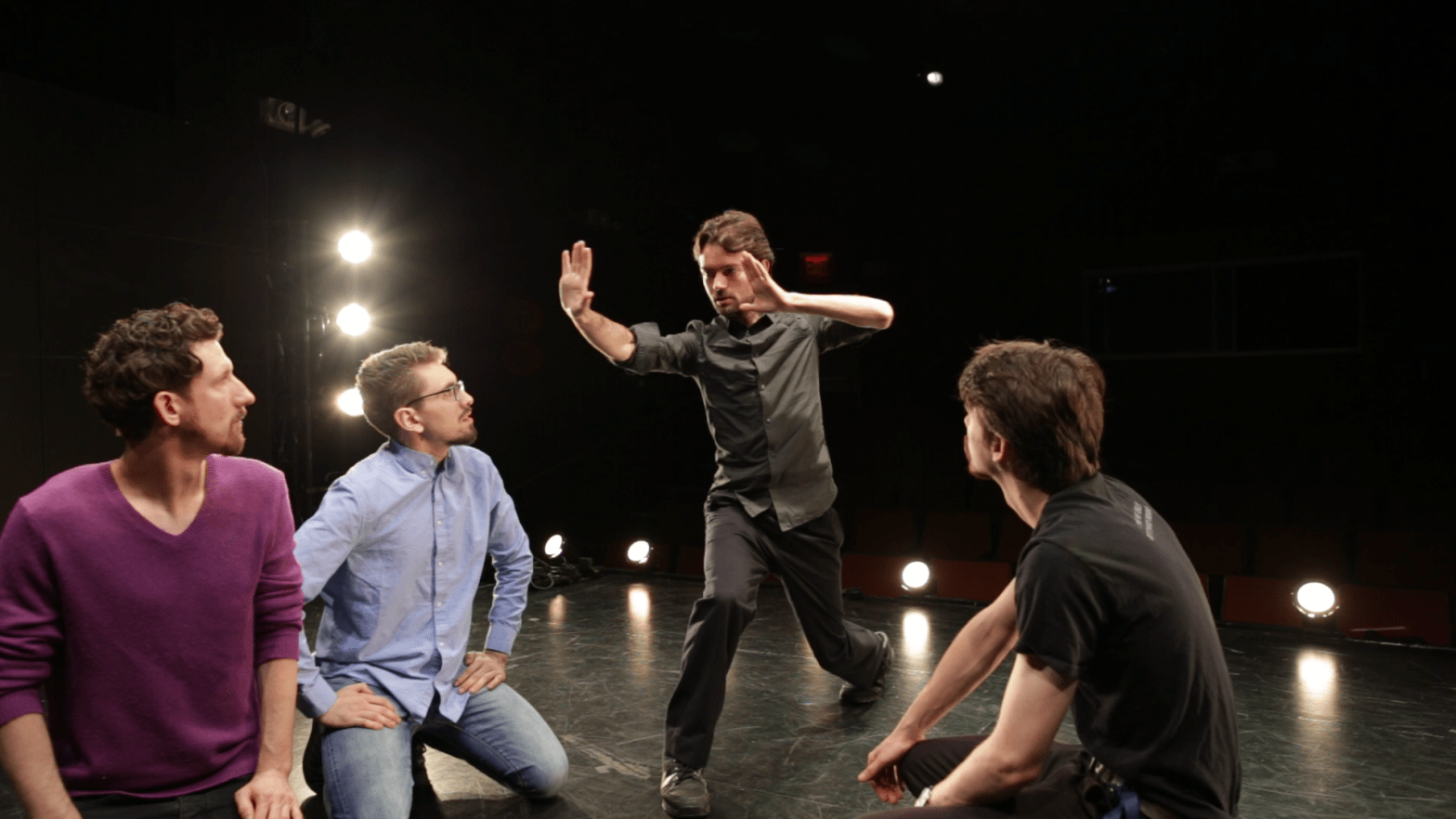
Acting Techniques Rundown

Video Source: Flash Live List

There are several other acting techniques besides the Meisner technique. Some popular ones include:

  1. Stanislavski Method: This technique focuses on an actor’s emotional and psychological preparation for a role. It emphasizes the use of personal experiences and emotions to create a believable performance.
  2. Method Acting: Developed by Lee Strasberg, this technique encourages actors to deeply immerse themselves in their characters by drawing upon their own memories, emotions, and sensory experiences.
  3. Chekhov Technique: Created by Michael Chekhov, this technique combines elements of imagination, physicality, and psychological analysis to create a more expressive and dynamic performance.
  4. Adler Technique: Founded by Stella Adler, this technique emphasizes the importance of understanding a character’s given circumstances and using them to inform the actor’s choices and actions.
  5. Viewpoints Technique: Originally developed by Mary Overlie and later adapted by Anne Bogart, this technique focuses on the actor’s physicality and spatial awareness, exploring how movement and positioning can enhance storytelling.

These are just a few examples of the many different acting techniques available. Each technique offers its own unique approach to training and performance, so it’s important for actors to explore and find the methods that resonate with them.

Stanislavsky

Video Source: Mercatorinfogr

Method Acting

Video Source: Behind The Screen

Chekhov Technique

Video Source: Vincent Bagnall

Adler Technique

Video Source: Stella Adler Academy

Viewpoints Technique

Video Source: Terra Mysterium
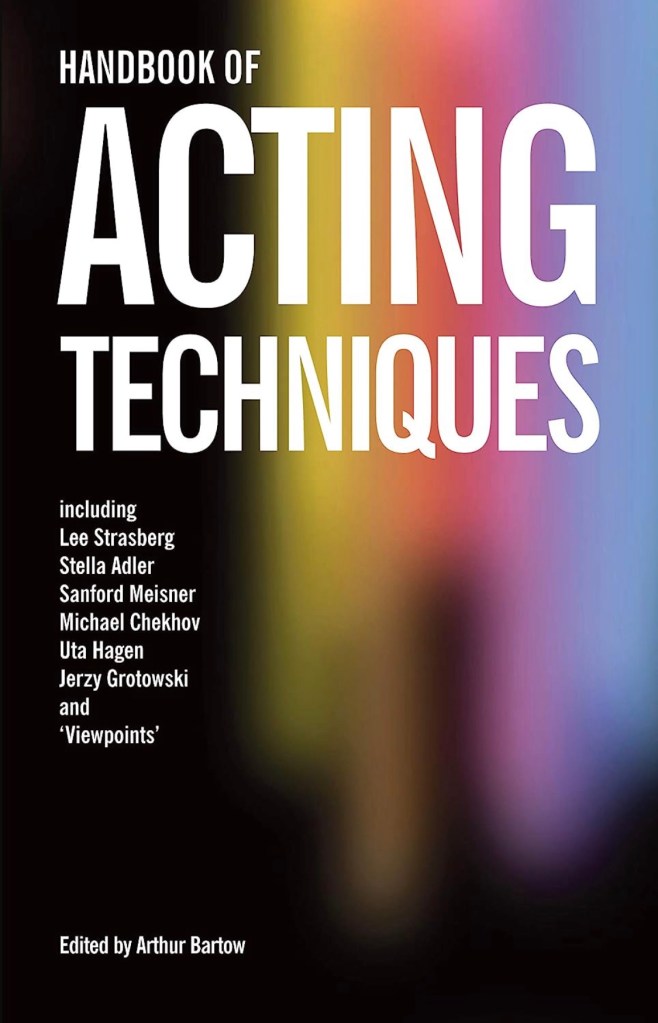
Click this book to purchase!

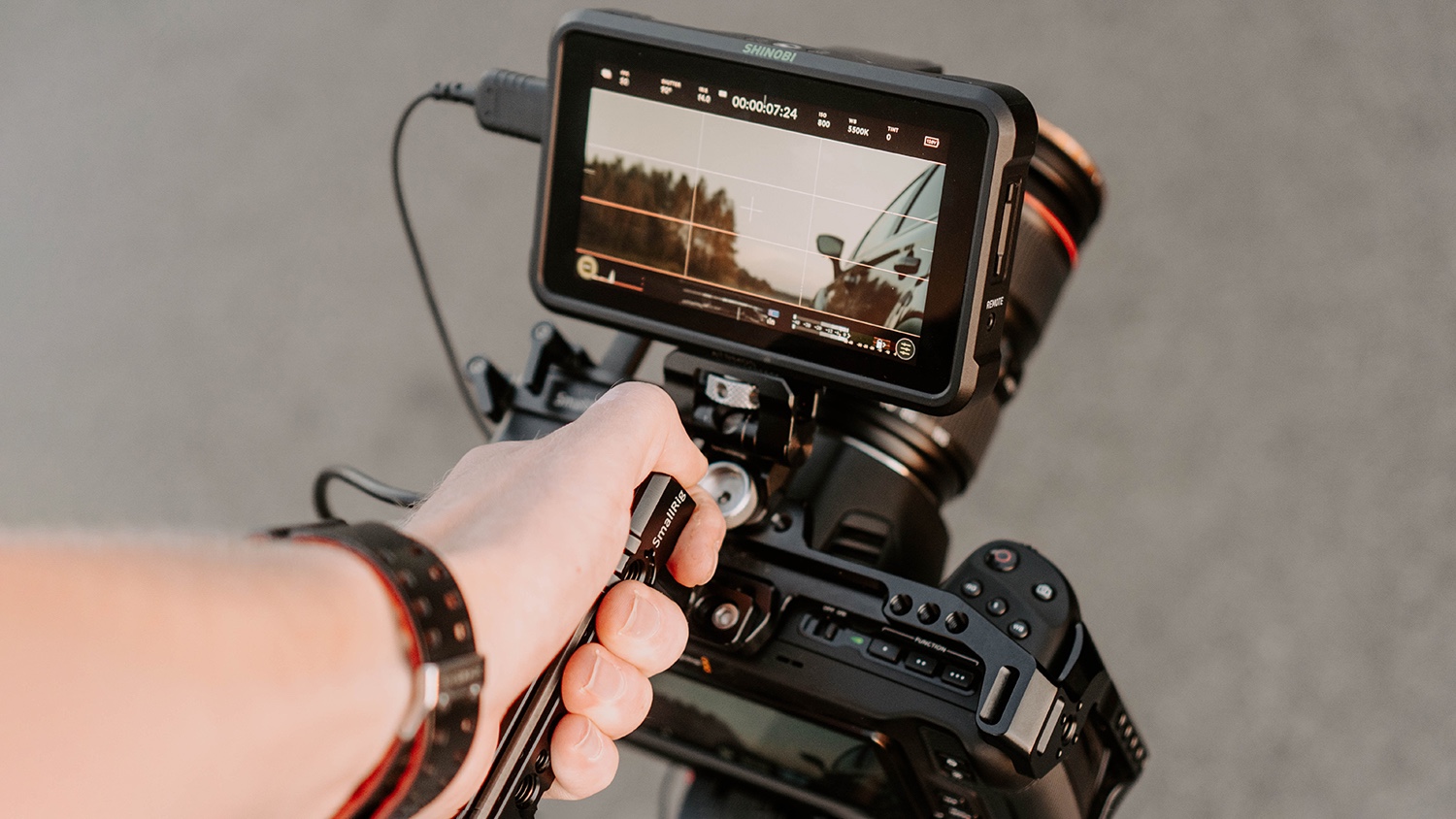
Extraordinary Cinema Lens & Cameras

Video Source: Camera Zone

There are many great lenses to consider for recording on a cinema camera, depending on your specific needs and budget. Some popular options among filmmakers include:

  1. Prime lenses: These fixed focal length lenses offer excellent image quality and are often preferred for their sharpness and low-light performance. Brands like Zeiss, Cooke, and Leica produce high-quality prime lenses.
  2. Zoom lenses: These lenses provide flexibility by allowing you to adjust the focal length as needed without changing lenses. Popular choices include the Canon CN-E series and the Fujinon MK series.
  3. Anamorphic lenses: If you’re looking to achieve a cinematic widescreen look with horizontal lens flares and a unique aspect ratio, anamorphic lenses can be a great option. Popular brands include Cooke, Panavision, and Atlas Lens Co.
  4. Vintage lenses: Some filmmakers prefer using vintage lenses to achieve a specific aesthetic or unique characteristics like flare, softness, and vignetting. Brands like Canon FD, Nikon AI-S, and Leica R are popular choices.

The best lenses for you will depend on your specific shooting style, the types of projects you’re working on, and your budget. It’s always a good idea to try out different lenses and see which ones suit your needs and preferences the most.

When it comes to cinema lenses, there are several brands and models that are highly regarded by professionals in the industry. Some popular choices include:

  1. Zeiss Master Prime: These lenses are known for their exceptional image quality, low distortion, and precise focus control. They are widely used in high-end productions.
  2. Cooke S4/i: Cooke lenses are renowned for their warm and cinematic look. The S4/i series offers consistent color rendition, sharpness, and smooth bokeh.
  3. ARRI/Zeiss Master Anamorphic: If you’re looking to achieve a cinematic widescreen aspect ratio, anamorphic lenses are a great option. The ARRI/Zeiss Master Anamorphic lenses are highly regarded for their high resolution, low distortion, and pleasing bokeh.
  4. Leica Summilux-C: Leica lenses are known for their outstanding build quality and optical performance. The Summilux-C series offers consistent color reproduction, high contrast, and a smooth rendering of out-of-focus areas.

It’s important to note that these lenses can be quite expensive, so they might not be suitable for every budget. Additionally, the best lens for cinema will depend on your specific needs and preferences, such as the focal length range you require and the desired look you want to achieve. It’s always a good idea to test out different lenses before making a decision.

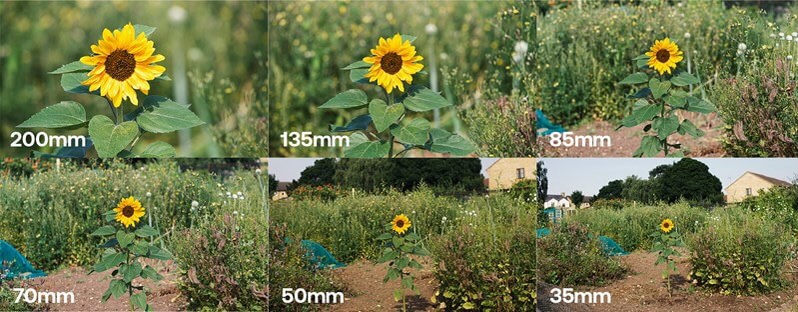
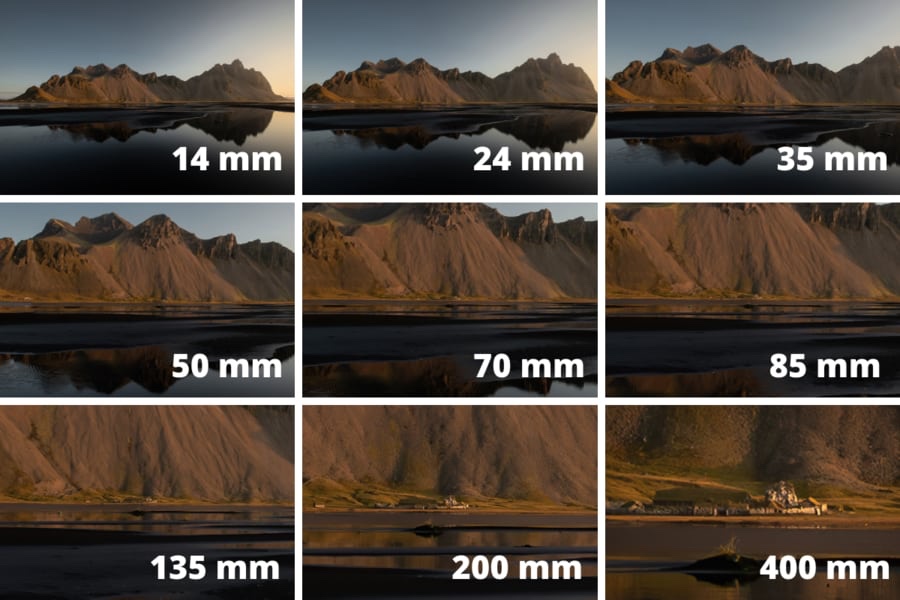
There isn’t a specific lens number that can shoot anything, as it depends on the specific requirements and preferences of the photographer or videographer. However, a versatile and popular lens choice is a zoom lens with a wide focal length range, such as a 24-70mm or 18-200mm lens. These lenses offer flexibility for various shooting situations, from wide-angle to telephoto, making them suitable for capturing a wide range of subjects. It’s important to consider your specific shooting needs and preferred focal lengths when choosing a lens.

Video Source: br8 future.
Click the Amazon button to check on these and other cameras, from starters, to PRO.
Video Source: Alex Zarfati

Illuminate: A Film Festival that Shines a Light on Untold Stories

Lights, camera, action! 🎬 Calling all visionary filmmakers and creative souls! 🌟

Are you ready to showcase your talent and inspire audiences worldwide with the power of your art? Look no further! Our highly anticipated film festival is fast approaching, and we can’t wait to witness the magic you’ve crafted on the silver screen.

Starting from August 1st, our festival will become a vibrant hub for new artists to shine and captivate hearts. We believe in the true potential of every filmmaker, and we invite you to take a leap of faith and share your unique stories, perspectives, and emotions through the lens.

Whether you’re an emerging talent or an experienced maestro, this is your chance to make waves in the film industry. Imagine the thrill of seeing your masterpiece projected onto a big screen, surrounded by fellow enthusiasts and industry professionals eagerly awaiting to be moved and inspired.

But it doesn’t stop there! Our film festival is not only about recognition; it’s a platform for growth and collaboration. By entering your film, you’ll gain valuable exposure and the opportunity to connect with like-minded individuals who share your passion. Who knows? Your next collaborator or producer might just be waiting in the audience!

So, grab your camera, follow your passion, and let your creativity soar. We firmly believe that the beauty of filmmaking lies in taking risks, pushing boundaries, and daring to inspire. It’s time to make an impact, to ignite conversations, and leave a lasting impression on both hearts and minds.

Don’t miss your chance to be part of something truly extraordinary. Submit your film to our film festival starting August 1st, and let your art transcend boundaries, spark imaginations, and change lives.

Visit our website for more details and submission guidelines. Together, let’s create cinematic magic that will be remembered for years to come! ✨🎥✨

Click this image for online film festival submissions.

Scene Study: How To Guide

Here at PressPlay Cinema, we want to set you up for success, so we have put together a series of steps to follow how to study a scene for film:

Video Source: Jeddle
  1. Read the script: Before you start studying a scene, it’s important to understand the context and overall story of the film. Make sure you’ve read the script thoroughly before diving into the scene.
  2. Identify the objective: What does your character want in the scene? What are they trying to achieve? Identifying your character’s objective will help you understand their motivations and actions throughout the scene.
  3. Analyze the dialogue: Look at your lines and try to understand the subtext behind them. What are you really saying in the scene? What is left unsaid?
  4. Determine the stakes: What are the consequences if your character doesn’t achieve their objective? Understanding the stakes will help you bring more emotional depth to your performance.
  5. Study the other characters: Look at how they’re reacting to your character and how your character is reacting to them. Understanding the relationships between characters will help you build a strong foundation for your performance.
  6. Explore the setting: The location and environment can have a big impact on the scene. Take note of any props, lighting, or other elements that can help you immerse yourself in the moment.
  7. Rehearse: Once you’ve analyzed all of these elements, it’s time to rehearse the scene. Work on developing your character’s emotional arc and building a strong connection with your scene partner.

By following these steps, you can effectively study a scene for film and deliver a powerful and authentic performance.

Video Source: The Thespian Acting Engineering

The Meisner Technique, EXPLAINED

Video Source: Montes Method

The Meisner technique is a popular acting method that focuses on the actor’s ability to truly listen and respond to their scene partner. Here’s a step-by-step guide on how to practice and perfect it:

  1. Start with repetition exercises: This involves two actors standing face to face and repeating back simple statements to each other. As they continue, they begin to add more emotion and depth to their responses.
  2. Work on physical actions: Meisner believed that actions are an essential part of acting. Practice physical actions that can help you better connect with your character and scene partner.
  3. Create imaginary circumstances: Imagining different scenarios and situations can enhance your acting skills. Create imaginary scenarios to give yourself a strong context for your emotions and actions.
  4. Explore emotional preparation: Being in the moment is important to the Meisner technique. Learn how to tap into your emotions and use them in your performance.
  5. Practice active listening: The Meisner technique emphasizes the importance of really listening to your scene partner. Practice active listening by paying attention to their words, tone, and body language.
  6. Develop a strong sense of presence: Acting requires a strong sense of presence and awareness. Practice being fully present in the moment and focused on your scene partner.

By following these steps, you can gradually improve your Meisner technique and become a more skilled actor.

Video Source: The Houde School of Acting

We found a space for you to start your training now. CLICK HERE! Courtesy of The Meisner Technique Studio.

Another example of the meisner technique by Sanford Meisner himself.

Video Source: Contemporary Arts Media
Click the book cover to purchase!