Indeed Life is a Movie!

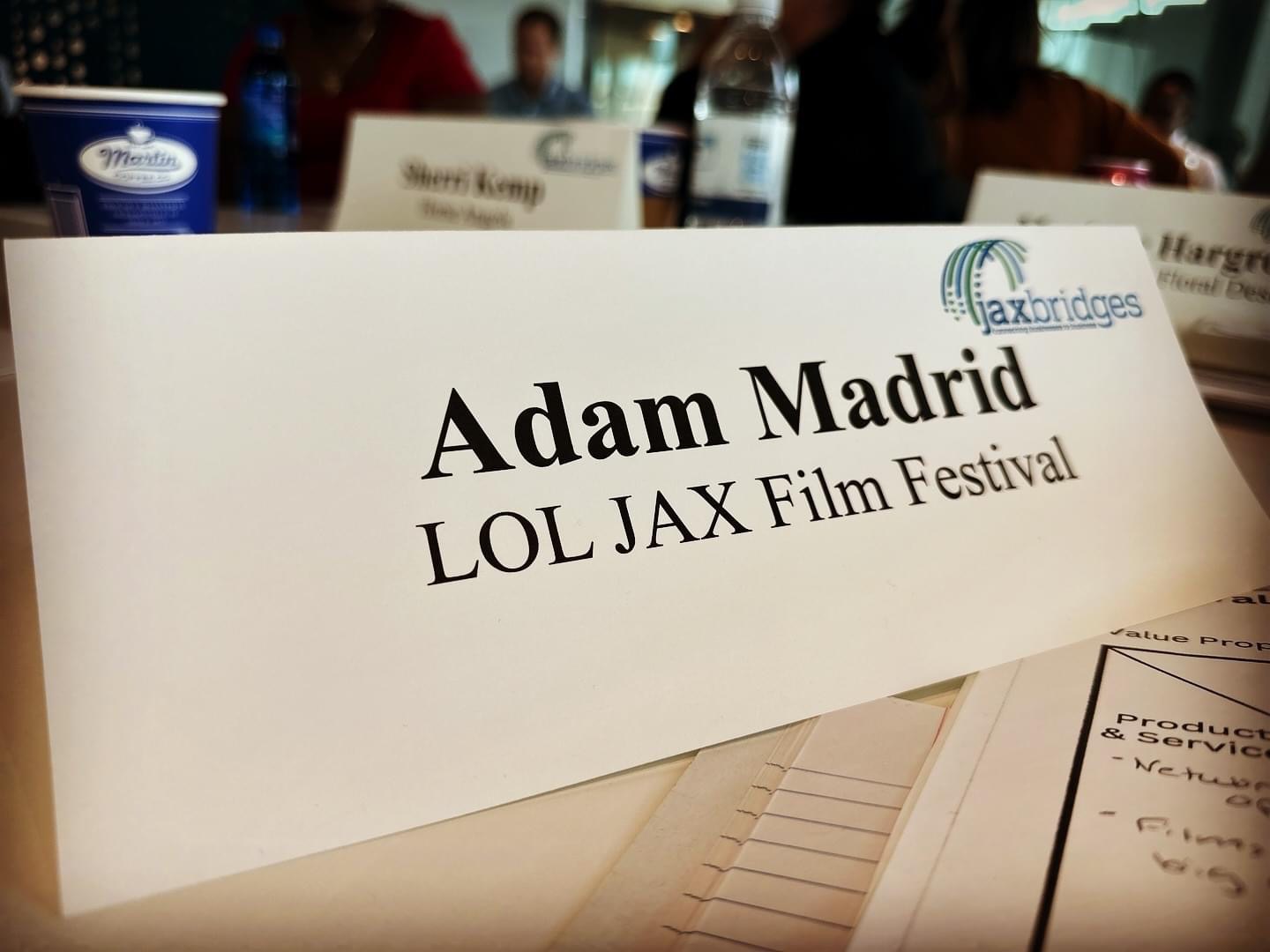
It is always amazing to share different stories and information, specially when they come from the very mind that creates movements and manages their outcome. Here we have an amazing interview with Adam Madrid! Adam is the creative and event developer responsible for the success of the LOL Jax Film Festival in Jacksonville, Florida, and the 48 Hour Film Project Challenge in the same area. He does this with the help of his beautiful wife Monique Madrid. So without further ado, let’s dive in this interview!
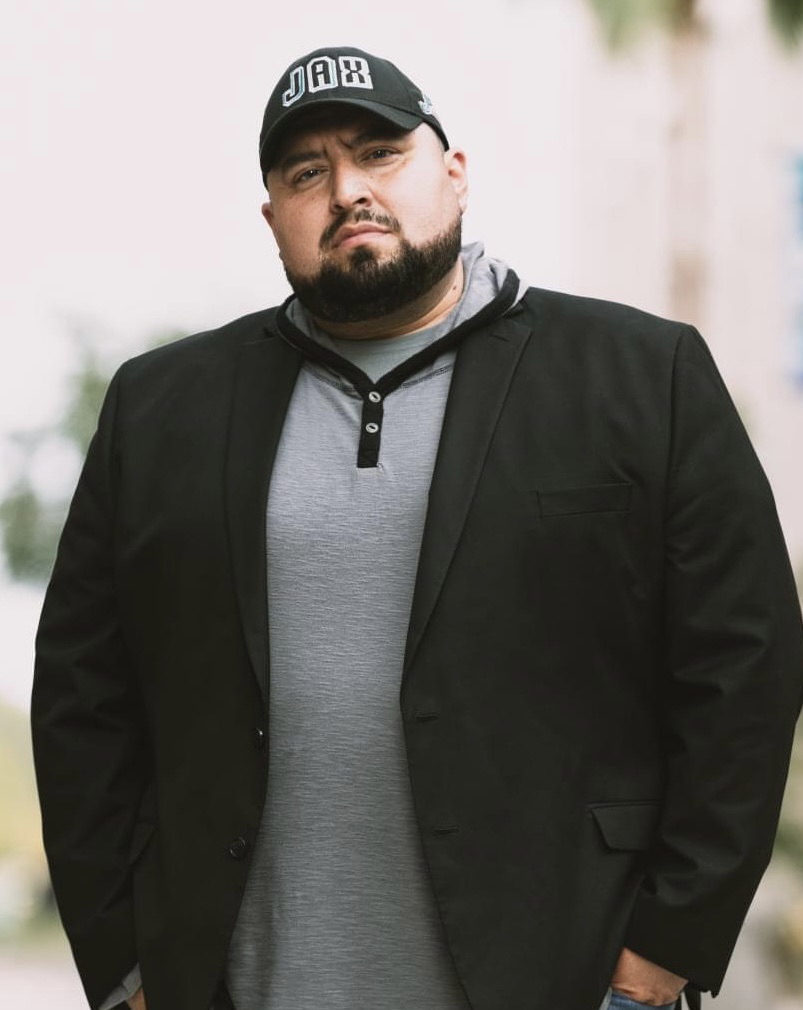
Adam Madrid

PPC: Can you tell us about the process of organizing a film festival like LOL JAX Film Festival? How do you select the films that will be showcased?

AM: Organizing a film festival is a lot of work and commitment. People don’t truly know what goes into them until they put on one. If you are up for creating an event like a film fest, you will want to start planning a year in advance. Come up with a logo and a great name. Get out there to the community. Films have to go through a committee and go over which ones are selected. There are a lot of great films that don’t get selected but there are is so many spots to fill.

PPC: What are some of the challenges you face in organizing such a large-scale event, and how do you overcome them?

AM: Some challenges are securing a venue space to provide a true theater setting for film fests. You have to talk with the people who run the places and see what can work and what can’t. Be ready for something no to work and have a backup plan.

PPC: How do you foster collaboration and networking among filmmakers during the festival?

AM: Be genuine. People see through the bullshit. Go to film meetups. Talk about their projects.

PPC: What efforts do you make to support emerging filmmakers and provide them with opportunities?

PPC: I try to make them feel appreciated. Answer their questions. If you have knowledge, be open in helping someone out. There are many local film events where they can be highlighted. We’re always telling filmmakers that don’t get selected to keep working on their craft. Just because you didn’t get into our fest doesn’t mean you can’t take the same film and shine at another one. As a filmmaker, I’ve had many of my films not accepted. I just keep either submitting that film to other events or keep working on my craft. Feedback is so important and if you’re not willing to take it, you’re not ready to grow in this industry.

PPC: In what ways do you measure the impact and success of LOL JAX Film Festival, both within the film industry and the local community?

AM: People believe in what we’re putting out there. LOL JAX Film Festival was created to highlight local filmmakers, actors and actresses, stand-up comedians, bands and businesses. We chose comedy because there is so much hurt and drama in the world, we tell people it’s ok to smile and laugh. People take things way too seriously and forget to have a good time with one another. This event is about building one another. This is open to professionals, up and coming filmmakers, student filmmakers. It’s just a different feeling when it’s just about locals or people that are from Jacksonville.

PPC: What can filmmakers do to join this organization?

AM: Filmmakers can always support the LOL JAX Film Festival by coming out, submitting their films and getting the word out. Submissions begin April 1st (April Fools Day) and the deadline is June 30th. It’s the same date every year. We have the film fest every year on the first weekend of August. From year one, we never charged for submission fees. Local filmmakers deserve to have their films shown on the big screen and they don’t deserve to be charged a fee to enter their film.

We thank Adam for sharing these insightful pieces of information with us, LETS KEEP DARING TO INSPIRE!

Video Source: LOL Jax Film Festival

The Beauty and Effect of ANGLES

Imagine sitting in a theater, lost in a world that unfolds on the silver screen. What makes this experience so mesmerizing? It’s the magic of filmmaking, where every frame tells a story. Amongst the many tools at a filmmaker’s disposal, the clever use of angles stands out as a powerful way to captivate audiences and evoke emotions. Let’s dive into the beauty and importance of filmmaking angles and how they shape our cinematic experience.

  1. The Language of Visual Storytelling:
    Filmmaking angles are like words in the language of visual storytelling. Just as a writer carefully chooses their words, a filmmaker meticulously selects angles to convey specific messages to the viewers. Each angle has its own unique storytelling potential, whether it’s a wide shot to establish the scene’s grandeur or a close-up to capture raw emotions. By mastering different angles, filmmakers can create a visual language that speaks volumes without uttering a single word.
  2. Enhancing Emotions and Atmosphere:
    Angles have the remarkable ability to heighten emotions and establish the atmosphere of a scene. A low-angle shot looking upward at a character evokes a sense of power or dominance, while a high-angle shot looking down can convey vulnerability or insignificance. These subtle variations in angles allow filmmakers to manipulate the audience’s emotional response, immersing them deeper into the story unfolding before their eyes.
  3. Revealing Hidden Layers:
    Angles can reveal hidden layers within a scene or character. A well-placed overhead shot showcases the intricate details of a chaotic cityscape, giving us a glimpse into the hustle and bustle of everyday life. A Dutch angle, with its tilted perspective, can create a sense of unease or instability, hinting at hidden secrets or impending danger. These angles engage the audience’s curiosity, making them active participants in unraveling the mysteries of the narrative.
  4. Guiding Attention and Creating Focus:
    Through the strategic use of angles, filmmakers guide our attention and create focus within a frame. A tracking shot smoothly moves the camera alongside a character, emphasizing their journey and drawing our eyes to specific details. Similarly, a point-of-view shot places us directly in the shoes of a character, allowing us to experience their perspective firsthand. By skillfully directing our gaze, angles ensure that we catch every deliberate nuance and become fully engrossed in the story.
  5. Filmmaking angles possess a transformative power, enabling storytellers to paint vivid cinematic landscapes and evoke profound emotions. They are the brushstrokes that shape our visual experience, allowing us to delve into worlds beyond our own. So, whether you’re a budding filmmaker or a passionate film enthusiast, never underestimate the importance of exploring different angles. Let them be your tools for crafting visual stories that leave a lasting impact on hearts and minds.

Remember, the beauty of filmmaking lies not only in capturing stories, but in how you choose to tell them. Embrace the art of angles, and let your creativity soar!

Video Source: Daniel Grindrod

Here is a step-by-step guide on how to achieve the best angles for a film:

  1. Understand the Script: Read through the script carefully to grasp the key scenes and moments that require specific angles. This will help you plan and visualize the shots in advance.
  2. Research and Gather Inspiration: Look for films, videos, or photographs with visually captivating angles. Study their composition, camera movements, and lighting techniques to get inspired for your own shots.
  3. Determine the Purpose: Consider the purpose of each shot – whether it’s to convey emotion, establish a location, or reveal information. This will help you choose the most appropriate angle for the scene.
  4. Storyboard the Shots: Create a storyboard or shot list to outline the sequence of shots you plan to capture. Include details such as camera angles, camera movements, and any other specific instructions.
  5. Scout Locations: Visit the filming locations beforehand to identify potential shooting positions and angles. Take note of any obstacles or constraints that may affect your shot selection.
  6. Choose the Right Equipment: Select the appropriate camera and lenses for the desired angles. Wide-angle lenses can create a sense of depth and scale, while telephoto lenses can compress distances and isolate subjects.
  7. Consider Camera Placement: Experiment with different camera placements to find the best angle for each shot. Try low angles for a sense of power or dominance, high angles for vulnerability or insignificance, and eye-level angles for a neutral perspective.
  8. Utilize Camera Movement: Explore various camera movements like pans, tilts, dollies, and handheld shots to add dynamic elements to your shots. Combine these movements with different angles to enhance the visual storytelling.
  9. Pay Attention to Lighting: Lighting plays a crucial role in capturing the right angles. Consider the intensity, direction, and color temperature of the light sources to create the desired mood or atmosphere.
  10. Continuously Review and Adjust: Review your shots as you go along to ensure they meet your artistic vision. Don’t hesitate to make adjustments or reshoot if needed.
  11. Edit with Purpose: During post-production, choose shots that complement each other and serve the story well. Experiment with different cuts, transitions, and visual effects to enhance the impact of your angles.

Remember, practice makes perfect. The more you experiment with different angles, the better you’ll become at capturing visually appealing shots. Good luck!

Video Source: Parker Walbeck

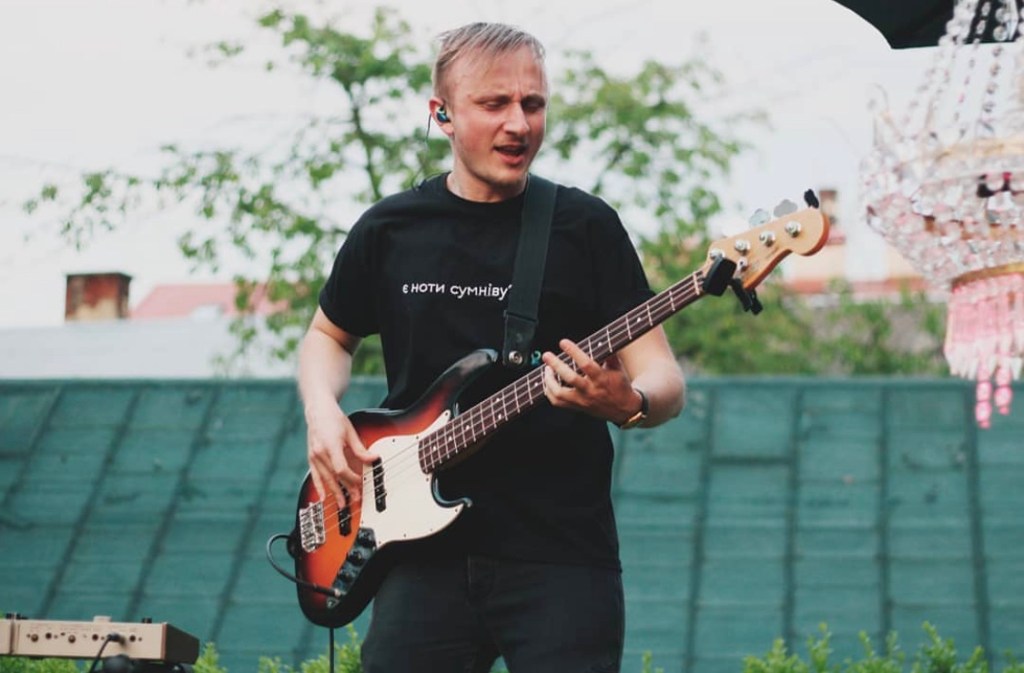
Film Composition AMID Ukraine VS Russia

To enhance your reading experience, please play this soundtrack composed by Mr. Melymuk, and dive into this interview with him.

In these times of crisis, we decided to check on our beloved members as usual, working with industry professionals can allow you to see a glimpse of what gives them passion. Thriving in their careers as much as they possibly can amid the face of war; Film Composer Myroslav Melymuk, shared his personal thoughts and walked us through the current issues in his homeland. We hope our readers understand that, even though political views are involved in this interview, we want to focus in sharing their experience from the eyes of the Artist.

“Destruction is secured for all of us, oh the grief. But God, how beautiful it burns.”

A Wise Poet
Film Composer Myroslav Melymuk

PPC: How has the ongoing war between Ukraine and Russia impacted your life as a film composer?

MM: Starting from February 24, 2022, my life as a composer for films took a back seat. Despite the fact that my city, Lviv, is very far from the border with Russia. In the first days of the war my friends and I thought that it would be necessary to fight on our streets. We joined the territorial defense unit, where we stayed until the situation stabilized. Then we watched as the Ukrainian military, bravest and best in the world, stopped the enemy and began to reclaim our land. I only returned to composing music in May 2022 when I was approached by Lithuanian TV to compose music for their documentary. Thus, our Lithuanian friends decided to support artists from Ukraine. From that moment on, I continued my work as a composer.

PPC: In what ways has the war influenced your creative process and the themes you explore in your compositions?

MM: The war made me realize that everything is very unstable and can change at any moment. Considering this, plans and dreams cannot be postponed until tomorrow, they must be implemented today. At first, my work was greatly influenced by the sounds of war: melody of sirens, rythm of explosions and gunshots.

Unfortunately, not everyone is lucky enough to continue composing and playing music. Many of my musician friends are now engaged in combat. My friend Mykola Dorosh, the most talented pianist I know, was recently mobilized to serve in the army and is currently undergoing military training in England.

PPC: How has the war affected the overall film industry in Ukraine, and what challenges have you faced as a result?

MM: Before the war, the film industry of Ukraine developed rapidly. Ukrainian production companies have good contracts with world film companies and streaming services. The war changed that. State funding is now entirely aimed at supporting defense capabilities, as you might expect under wartime conditions. But at the same time, I noticed how the war developed the documentary film industry in Ukraine. Hundreds of Ukrainian and foreign filmmakers document the crimes that Russia commits in our country, including murders, the destruction of cities, including hospitals, schools, civilian buildings, power stations, dams and other critical infrastructure facilities, which sometimes even lead to environmental disasters. I am sure that after our victory there will be a real boom in the film industry. I know that many Hollywood directors like Sean Penn, Cary Fukunaga, Martin Scorsese and actors, like Matt Damon, Benedict Cumberbatch, Mark Hamill, Arnold Schwarzenegger, Cate Blanchett, Ben Stiller, Angelina Jolie and many others are already interested in the events in Ukraine. How the Ukrainian people heroically resisted the enemy should be shown in big films.

PPC: Have you received any support from local or international organizations to continue your work during these difficult times?

MM: As I said, the Lithuanians from the LRT TV channel supported me. I composed music for two documentaries with Focusas Program. Therefore, it is not surprising to me that Lithuania’s humanitarian and military support, a relatively small country, exceeds the support of much bigger countries. Ukraine will not forget it. I dream of visiting Lithuania after our victory to share my gratitude. Apart from this, I did not seek other professional support because, in addition to my musical activities, I also work in the city administration.

But I must say that I feel the extraordinary support of people from all over the democratic world during these 1,5 years of full war. In 2023, I became a participant in the EnGin program, under which native-speaker volunteers help all willing Ukrainians to improve their level of English. I’m fortunate because my volunteer, Kevin Crowley, from Cincinnati, is a very talented actor and kind man, and we talk a lot about the film industry and just life.

PPC: Has the conflict changed your perspective on the role of music in conveying messages of peace and unity?

MM: Music has tremendous power. The voice of musicians is heard by billions of people. And it’s not only through songs, people listen to the opinion of their idols. When dozens of world-class musicians support Ukraine, mention our troubles in their songs and interviews, come to Ukraine and collaborate with our bands – it’s inspiring.

PPC: Do you believe that your compositions have the power to inspire hope and resilience among the people affected by the war?

MM: Yes. First of all, I have a lot of calm compositions that are perfect for soothing yourself before going to bed. There are also those that motivate not to give up.

But I also thought for a long time about how to help Ukrainians not only morally. Recently, the Russians bombed a civilian house in my city, I was also in the east of the country, I saw completely destroyed houses, even entire cities were wiped out. Once upon a time, people lived in them, created comfort in homes, celebrated birthdays, decorated the Christmas-tree for the New Year with children. At one point, they were left with nothing but their house keys, which they no longer need. I had the idea to create a unique musical instrument from door keys that would symbolize the voices of war victims. I am currently working on its design, but I have a dream to collaborate with composers from all over the world to create a music album and organize an auction for this musical instrument to support Ukrainians who have lost their homes.

If any of the musicians or composers are interested in this idea, please contact me at myroslavmelymuk@gmail.com and/or follow me on my social media pages.

The families of Lierane Khaibullaieva and Amet and Dilyara Bekir, who emigrated from Crimea after its annexation by Russia, took part in filming the documentary “The Crimeans.” Film Composition by Myroslav Melymuk.

Mastering Castings: Unlock Your Path to Securing a Perfect Role

Casting auditions are a crucial step in an actor’s journey. Whether you’re a seasoned professional or just starting, nailing your casting is essential to securing the perfect role. In this article, we will guide you through the process and provide valuable tips to help you make the most out of your castings.

Video Source: Backstage
  1. Research the Role and Project:
    Before attending any casting, it’s vital to research the role and project extensively. Understand the character’s background, motivations, and the overall storyline. This knowledge will enable you to prepare and perform with authenticity, setting you apart from other candidates.
  2. Prepare Your Monologue or Scene:
    Most castings require actors to perform a monologue or scene. Select a piece that showcases your strengths and aligns with the character you’re auditioning for. Practice extensively, paying attention to your delivery, emotions, and body language. Memorize your lines, but also remain flexible to take direction if needed.
  3. Dress Appropriately:
    Dressing appropriately can make a significant impact on how casting directors perceive you. Dress in attire that suits the character you’re auditioning for while considering the project’s overall tone. But above all, ensure your outfit is comfortable and allows easy movement, as it can positively influence your performance.
  4. Be Punctual and Professional:
    Arrive at the casting venue well ahead of time to avoid any unnecessary stress. Being punctual demonstrates your professionalism and dedication. Be polite and respectful to everyone you encounter, including fellow actors, casting directors, and staff. A positive attitude can leave a lasting impression and increase your chances of success.
  5. Embrace Nerves and Manage Anxiety:
    Nervousness is normal during castings, but learning to manage anxiety is crucial. Take deep breaths, visualize success, and remind yourself of your skills and preparation. Embrace the nerves as excitement and channel that energy into your performance. Confidence can make a significant difference in how casting directors perceive you.
  6. Connect with the Casting Panel:
    When performing your monologue or scene, aim to establish a connection with the casting panel. Maintain eye contact, project your voice clearly, and convey genuine emotions. Showcasing your ability to connect with your audience can leave a lasting impression and increase your chances of being remembered.
  7. Be Open to Direction:
    During the audition, casting directors may provide direction or ask you to try different approaches. Always remain open and adaptable, taking their feedback constructively. Show your ability to take direction and incorporate changes into your performance. This flexibility demonstrates your professionalism and versatility as an actor.
  8. Follow-Up:
    After the casting, consider sending a brief follow-up email to express your gratitude for the opportunity. Keep it concise and professional, thanking the casting director for their time. This gesture helps you stand out and leaves a positive impression, increasing your chances of being considered for future roles.

Securing a role through castings requires preparation, professionalism, and a genuine connection with casting directors. By researching the role, preparing your monologue or scene, dressing appropriately, and showcasing your skills with confidence, you can maximize your chances of securing the perfect role. Remember to embrace nervousness, be receptive to direction, and follow up afterward. With these tips in mind, you’ll be well-equipped to make the best of castings and forge a successful acting career.

There is no trick! But you can showcase your skills with confidence by believing in yourself and your abilities. Show the casting directors what makes you unique and special as an actor. Embrace nervousness, because It’s natural to feel nervous before an audition. Embrace those nerves and channel them into your performance. Nervous energy can add authenticity and intensity to your acting. Good luck!

    Video Source: Backstage

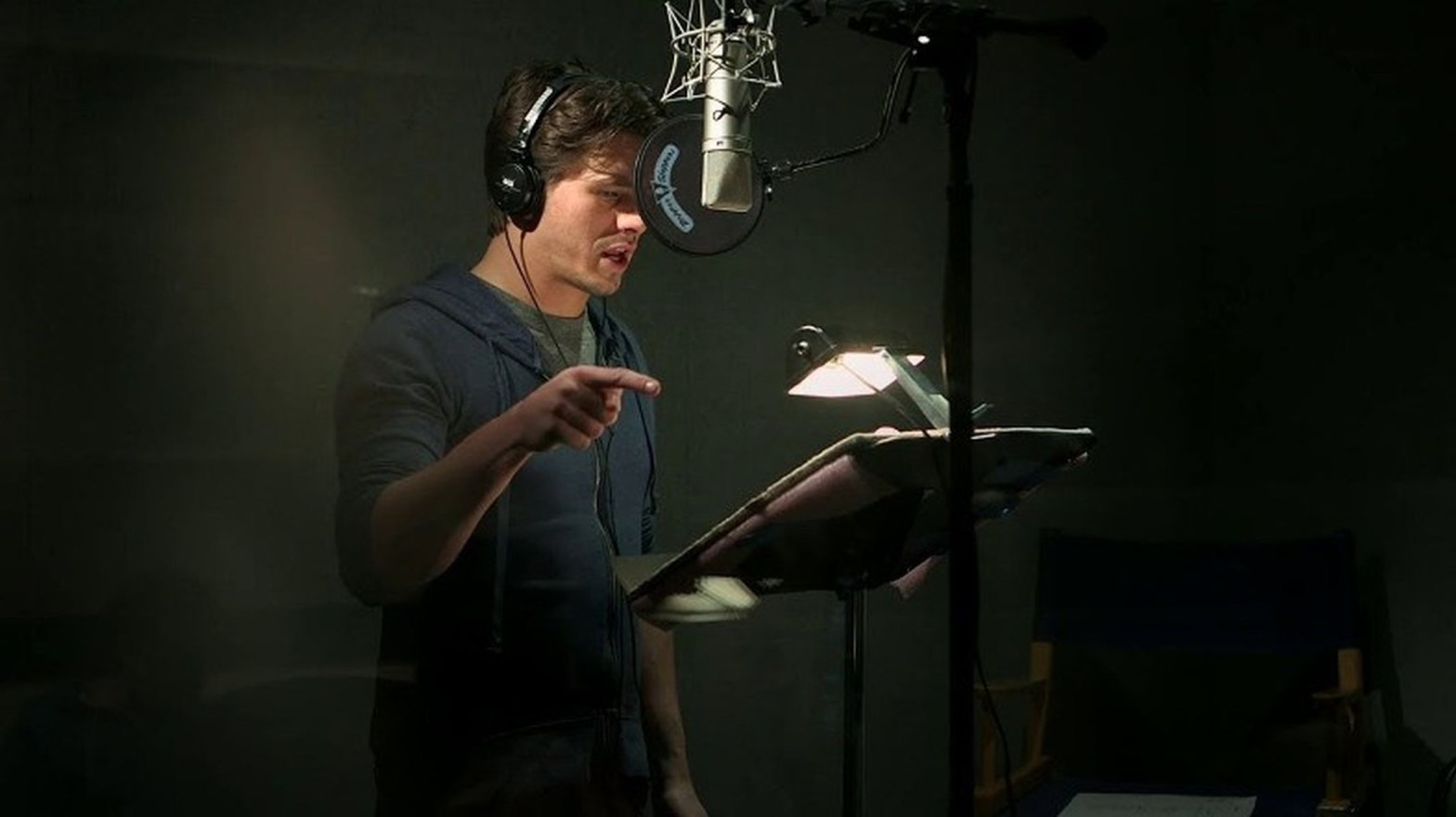
    The Art of Voice-Over Acting: Showcasing Your Skills For Success

    In the world of media and entertainment, voice-over acting plays a crucial role in bringing stories to life. Voice-over actors lend their voices to various mediums such as animation, commercials, video games, audiobooks, and more. If you’re a voice-over actor looking to attract jobs and showcase your skills to potential clients and casting directors, here are 20 effective ways to do so.

    Video Source: Voice-Over Masterclass
    1. Create a Professional Demo Reel: Compile a concise and engaging demo reel that showcases your range, versatility, and ability to bring characters and narratives to life.
    2. Build a Voice-Over Website: Develop a professional website that highlights your work, includes your demo reel, and provides contact information for potential clients.
    3. Utilize Social Media Platforms: Establish a strong presence on platforms like Instagram, Twitter, and LinkedIn to engage with industry professionals, share your work, and connect with potential clients.
    4. Join Online Voice-Over Communities: Become an active member of online forums, voice-over groups, and communities to network with fellow actors, gain insights, and learn about new opportunities.
    5. Attend Voice-Over Workshops and Conferences: Participate in workshops and conferences to improve your skills, learn from industry experts, and network with professionals in the field.
    6. Volunteer for Non-Profit Projects: Offer your services for non-profit projects such as podcasts, public service announcements, or charity events to gain exposure and experience.
    7. Collaborate with Independent Filmmakers: Reach out to independent filmmakers and offer your voice-over services for their projects. Indie films often seek voice-over talent and can provide valuable experience and exposure.
    8. Offer Free Audiobook Narration: Approach authors or self-publishers and offer to narrate a chapter or a short story from their book. This can help you build a portfolio and establish relationships in the publishing industry.
    9. Voice-Over Podcasts: Start your own voice-over podcast where you discuss industry trends, interview professionals, and showcase your skills through various voice acting exercises.
    10. Create Character Voices for Animation: Develop unique character voices and offer samples on your website or social media platforms to demonstrate your versatility in animated projects.
    11. Collaborate with Game Developers: Reach out to game developers and offer your voice-over services for video games. Create a portfolio of different character voices that suit the gaming industry.
    12. Volunteer for Local Radio Stations: Approach local radio stations and offer your voice for commercials, jingles, or station announcements. This can lead to paid opportunities and exposure to a wider audience.
    13. Explore Audiobook Production Companies: Research and submit your demo reel to audiobook production companies or platforms such as Audible, ACX, or LibriVox to land narrating gigs for various genres.
    14. Offer Voice-Over Services for E-Learning: Contact e-learning platforms and educational institutions to provide voice-over for training modules, educational videos, and online courses.
    15. Create Engaging YouTube Content: Establish a YouTube channel where you provide voice-over tips, tutorials, or showcase your skills through voice acting challenges. This can attract subscribers and potential clients.
    16. Attend Casting Director Workshops: Participate in casting director workshops to gain insights into the industry, receive feedback, and make connections
    1. Voice-Over Contests: Enter voice-over contests and competitions to challenge yourself, gain recognition, and potentially catch the attention of industry professionals.
    2. Volunteer for Audio Dramas and Podcasts: Offer your voice-over services to audio drama productions and podcasts. This allows you to demonstrate your storytelling abilities and showcase your range as a voice actor.
    3. Create Voice-Over Samples for Commercial Demos: Develop a variety of commercial voice-over samples that highlight your ability to deliver impactful and persuasive performances for advertisements.
    4. Collaborate with Advertising Agencies: Reach out to advertising agencies and offer your services for their commercial campaigns. Provide samples of your work and demonstrate how your voice can enhance their brand messaging.
    TikTok: GrayMatter94

    As a voice-over actor, showcasing your skills in the media is essential to attract jobs and opportunities in the industry. By creating a professional demo reel, building an online presence, engaging in networking activities, and exploring various mediums such as animation, audiobooks, podcasts, and commercials, you can demonstrate your talent, versatility, and passion for the craft. Remember to continuously refine your skills, stay connected with industry professionals, and seize every chance to showcase your unique voice and abilities. With dedication and persistence, you can pave the way for a successful career in the captivating world of voice-over acting.

    Video Source: Voice Acting 101