The Amazing Mariano Saulino

PressPlay Cinema had yet another interview with amazing industry professionals. This time, we want to introduce you to one of the greatest film composers in the industry, Mariano Saulino! We were so excited to ask him insightful questions, and empower other film composers in the industry. Mr. Saulino also shared crucial pointers that film composers deal with throughout their career, and a breakthrough to succeed at it. We are so happy to show you, what film composers are capable of.

PressPlay Cinema: How do you navigate the fine line between capturing the emotional essence of a film and maintaining your artistic integrity as a composer?

Mariano Saulino: That’s what I like the most about my work as a film composer. The film is my frame that will contain the music, the map that shows me the extensions and the limits I shall drive through and notice. Playing between these boundaries it’s the game I love and my artistic voice lives in it.
As a composer, your main command is to serve the story and the emotions in a film, and that’s my main goal for sure, but I believe that if you don’t let your own voice, your art, to come up and let you guide your writing in the process, you’ll never get something solid for you and for the director.

 That’s the difference between “it works for the film” and “it’s great for the film” because it serves the film and at the same its artistically fulfilling.

That being said, all this can turn into a nightmare if you have to follow a temporary track music reference while the director is in love with it!

There’s many ways you can choose to go when it comes to write the score for a given scene but I believe there should be a balance of what it works and what it takes.

Film Composer Mariano Saulino

PPC: What role does collaboration play in your creative process, and how do you ensure that your vision aligns with that of the director and other key stakeholders?

MS: I just LOVE input. I’m curious and eager to learn about something with a different approach, which might not be what I’m thinking of for the score. This input triggers my creative juices. It’s not a barrier but an inspiration for me to solve the scoring puzzle: Blend what the director or producer has in mind and what I can bring to the table.

As said before, the film is my map and the input from the team is the fuel I use to drive across that map. And again, my mission is to put into music what the film wants to say or not to say. 

The director role can be the heart and soul of a film or not. I’ve scored many films in which the producers were the ones that envisioned the whole thing. The ones that may have lived and breathed the project for years and once I’m onboard I’m there to keep on living and breathing the film following their concept about what it’s needed in order to come up with for the final product. On the other hand, there’s many times they would request my input or suggest a different approach and that’s something I obviously love too, that’s what I’m trained for: Bring scoring solutions.

PPC: Can you describe a time when you faced significant challenges while composing for a film and how you overcame them to deliver a remarkable score?

MS: There’s always a challenge to face. Whether it is because there’s little time to get the job done or there’s a lot of time but little money!

It’s interesting, I’ve scored movies for India in which the score should not have to have an Indian music style to it, and a war movie that the main thing it’s not the action but the drama. Horror films which had a deep romance driving the story and drama films with an ironic touch to it.

That’s the challenge: Getting out of the comfort zone of the cliché and coming up with something a bit different. At least I try to breake the mold, this keeps me moving forward.

PPC: How do you approach composing for different genres of films, and what strategies do you employ to authentically capture the essence of each genre?

MS: As a Musician/ Composer I’ve always recognized myself as a pretty eclectic one. Through my career it’s been natural for me to explore different music styles and genres.

At my young age I used to feel this eclecticism as a problem and with the years I didn’t know it would become my main axe.  

I started working as a composer writing music for commercials, so every job was a new adventure in terms of music styles and film genres and what’s more: I had to build and hit the emotion into a 45 seconds television spot (in case I were lucky enough to catch a gig that big) or sometimes I had to score 20 second stories or even get it all done into a 5 seconds logo.

So today when I score a film I can naturally switch from one genre to another, from one music style to another. I’m like a fish in the water.

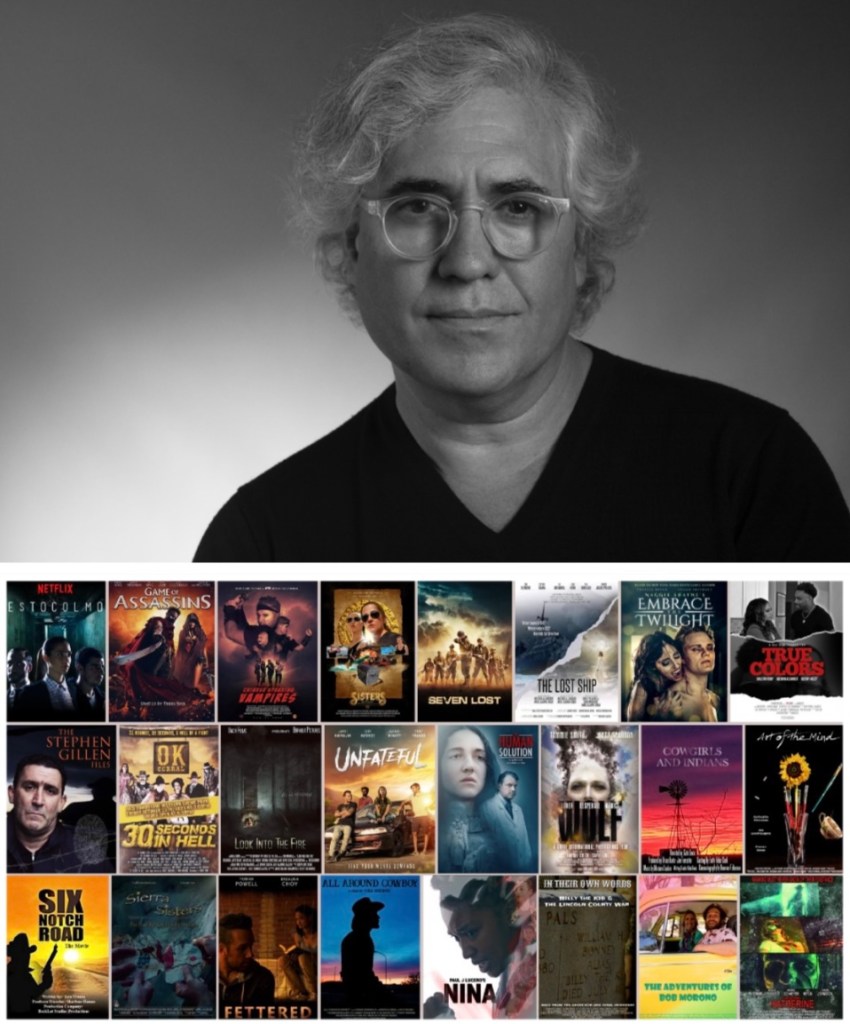
Mr. Saulino has composed for these and more!

PPC: How do you handle criticism and feedback from directors or producers who may have different opinions about the musical direction of the film? Can you share an example of a time when you had to compromise or defend your artistic choices?

MS: The bright side of feedback is that I’ll learn something for sure. That’s how I started to grow for real in the field: When I learned to listen and understand, translating the feedback into a new option for a cue.

The dark side is while dealing with feedback can be hard, dealing with rejection it’s always painful. 

And the more you work in this profession you think it’s going to be easier, “I got this”. But you don’t. Rejection hurts.

If you really care about what you’re bringing for the project and you are really committed to it , a rejected cue is always a sensation of loneliness and lack of shelter. 

You have to bring another option, and in a timely manner. And when you’ve got a second rejection of the same cue the pressure comes up and you start believing you’re reading the map wrong, that you’re walking in circles, “this will never end” kind of feeling. It can be a living nightmare.

There could be many reasons for this to happen: Lack of communication, not being on the same page, or even having different sensibilities in terms of what’s cool or not. 

Music perception can be pretty subjective, art in fact it is. So there’s a psychological side of this profession. Part of the composer’s work is to be able to “translate” this and solve the puzzle.

Another issue to deal with opinions is that this is a team work and sometimes there could be multiple voices giving feedback about what’s the role of the music in a cue. So you’ll have to deal with the storm, listen, read between lines and find the balance.

I’ve found that it is always more productive not to talk with the director/producers in musical terms but in terms of feelings or moods and supplement this dialog with a music reference that can be in the ballpark of what they are looking for in terms of instrumentation or music style.

PPC: How do you stay inspired and motivated when faced with a demanding project or creative block?

MS: The blank page for me is a synonym of a new chance, an opportunity I’ve got to make it better. To enjoy it more, to make it different. I feel I can improve my craft with every start of a new project so the blank page is my Allied. That being said, it’s always a challenge too, of course.

On the proactive side of things I keep on studying my masters, studying theory from books and records or transcribing something from a score that rings my bell. Everything on a balanced basis without any pressure or urgency. I enjoy assimilating slowly, at my own pace.

Regarding motivation, I’m always feeding myself with music and interviews. I enjoy checking what’s going on out there. Especially once I get pending jobs out of my plate. Final delivery of a score is a time for celebration to me. That’s my moment to breathe fresh air and get inspiration.

I enjoy stopping. Silence is key for me.

I divide my time for music into a time for contemplation and a time for realization. I never overlap these moments.

I also like drawing and architecture. I’m a dovetee of the time for my family, my pets and my gardening.

PPC: What is an advice you’d give a young film composer?

MS: Stay curious and keep on learning from everything that surrounds you. Try to stay balanced. Spread your love and care.

We want to personally thank every film professional that has lost sleep over someone else’s vision. Verily, you are one of the reasons the final product inspires viewers and visionaries, to feel and create. For future inquiries , or just simple curiosity for Mariano’s amazing work, please visit his website at www.marianosaulino.com. Here’s a complementary video of Mr. Saulino, about the making of “Look Into The Fire” film score. Without a doubt we can say that, Mariano Saulino DARES TO INSPIRE!

Mariano Saulino Film Composer

The Monkey | Inspired by Stephen King

PressPlay Cinema had a chance to reconnect with an old friend, Spencer Sherry. Before the idea of PressPlay Cinema, and this project itself came into existence. Spencer Sherry and Rose Sanchez, PPC CEO, used to work at a NY fine diner in Albany. Back in 2016, Spencer’s charming and vibrant personality was always a highlight in everyone’s day at the Restaurant. Having the honor to interview Mr. Sherry, during the process of his filmmaking debut on this piece. WE. CANT. WAIT! Without further ado, LET’S GET TO IT;

PressPlay Cinema: Is The Monkey a horror/comedy?

Spencer Sherry: The Monkey is very Stephen King! So it’s definitely got both of those elements. When I describe it to people I tell them it’s more of a drama/suspense – like an episode of the Twilight Zone.

PPC: Yeah! We read it was inspired by Stephen King. Which story, and what part in the story you realized, “ha! One day I’m gonna film this.”?

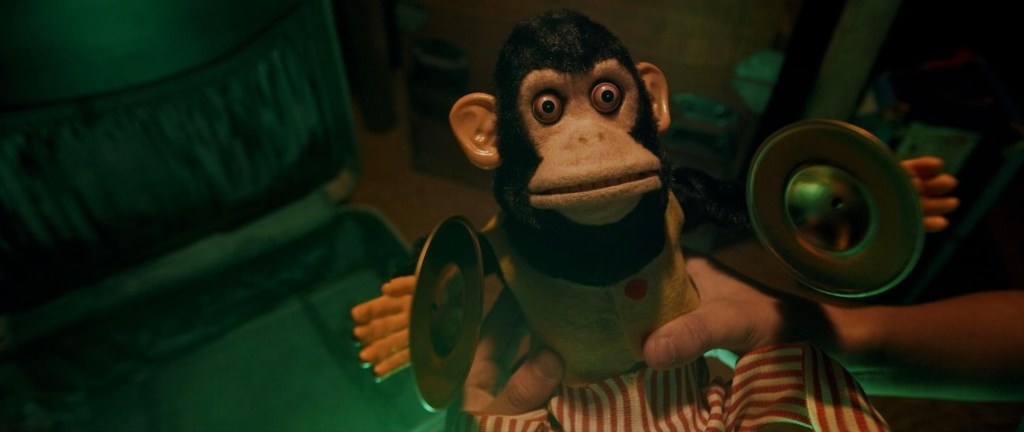
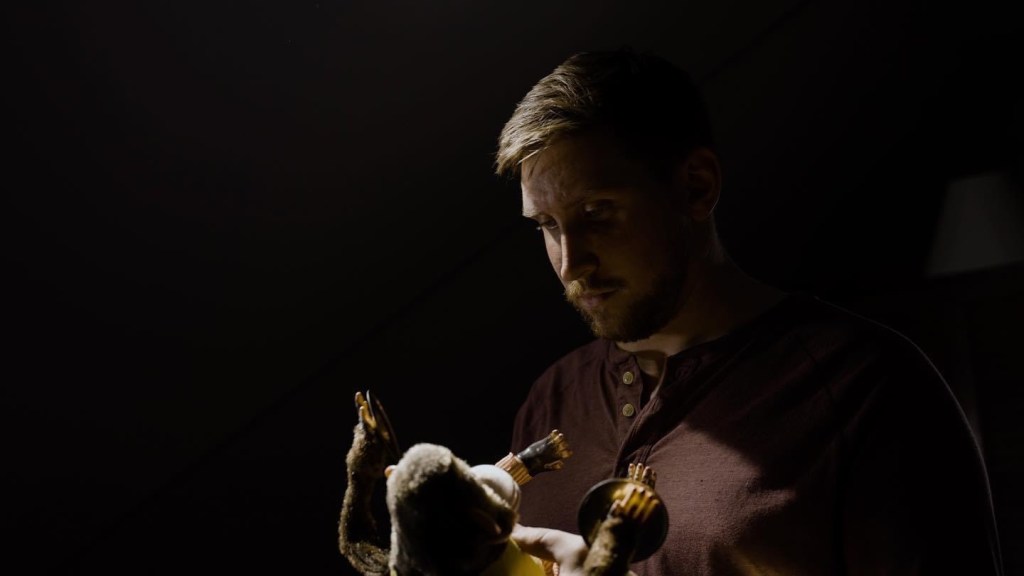
SS: The Monkey is based off the Stephen King story of the same name from 1985’s “Skeleton Crew”. I think I was drawn to it because it was the perfect cocktail of campy, poignant, and most of all: doable. As long as I could find one of these creepy little toys, I felt pretty confident that I could make a compelling story with it. I ended up finding three of them, and their unsettling appearance and horrific screeching did most of the heavy lifting.

PPC: What are your expectations out of the certain achievements of this film?

SS: My pipe dream is that Stephen King likes it enough to give me the green light to pursue a commercial adaptation of one of his stories. Pretty big ask, but it’s happened before! No matter what, I just want to get this film in front of as many people as possible, get an agent as a result, and make a living in the industry.

PPC: As a filmmaker/Director, what achievements you’re looking forward to complete?

SS: I’d love to reach a point where I’m getting paid to tell unique and exciting stories; whether I’m writing them, producing them, directing them – I don’t really have a preference. I’d love to have a production company one day and collaborate with other filmmakers to make things I’m passionate about. I hope to create work that people find enjoyable, meaningful, and fun. I don’t take myself or my ideas too seriously, and I hope whoever watches anything I do in the future feels that.

PPC: If it wasn’t a monkey, what other creepy thing you would’ve used for this film; to cause an even cringier reaction?

SS: Ooh that’s a good question. Because my story is so different than King’s original, initially I had considered subbing out the monkey for something else if I couldn’t get the rights. I was lucky that I didn’t have to give this too much thought, but if I HAD to choose I’d probably try to find a new use for the voodoo doll device. Haven’t seen a good movie with one of those since Temple of Doom.

PPC: What’s your best/funny memory from behind the scenes of this set?

SS: There was a day where we were at a beautiful house, putting a rowboat in the pool, dangling a ladder rig over top of it, playing with a one-of-a-kind prosthetic and a lot of gross SFX makeup, trying to find the best angle for a cymbal clapping monkey toy, and I made everyone take a mental step back and acknowledge how weird and stupid and absolutely awesome filmmaking can be. What a totally insane way to start a career.

Wouldn’t have it any other way.

Thank you for the time you took to give us a sneak peak into your world, Spencer; and nevertheless, CONGRATULATIONS ON THIS GRAND ACHIEVEMENT AND MORE TO COME!

Dare to inspire.

The Monkey Short Film

Marty Nicholas on His GunForce Inspired Series

PressPlay Cinema continues to find new gems, this time, at a local Michigan filmmaker’s mixer. We met Marty who wants to create a feature film inspired in his favorite video game of all time. In this interview, Marty will share his thought, and goals in depth;

PPC: Gun force gave me the impression to be a classic video game
brought to life, is that so?

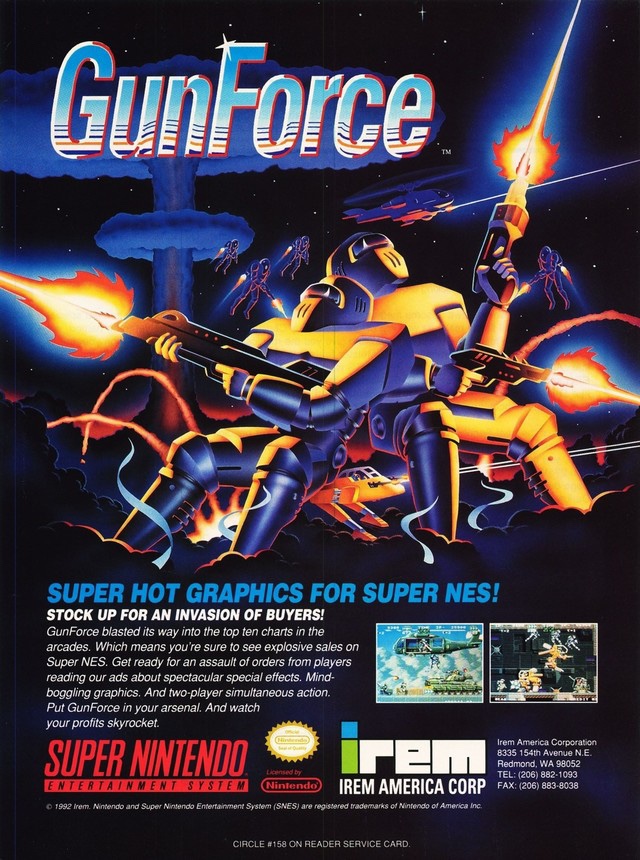
Marty: There are many inspirations that GunForce draws upon, but yes. First, GunForce is partly inspired by the 8 and 16 bit home entertainment console era of video gaming from the 1980s and 1990s, as well as arcade games. Specifically, it draws inspiration from the shooter, tactical espionage and role-playing genres. Great examples include light gun arcade games (Operation Wolf, Steel Gunner, Mechanized Attack), stealth games (Metal Gear Solid), and role playing games like Final Fantasy, Borderlands, Mass Effect, Elder Scrolls, Fallout and Assassins Creed. It is from these style of games in particular that the rules of their world come into play, where the characters start at Level 1 and must fight to gain experience and improve their skillsets, as well as the pay and standard of living they receive as new mercenaries fighting to save the world.


Secondly, GunForce also draws upon my favorite film The Last Starfighter, in which a young man struggling to find direction in life is recruited to fight a war in outer space because of his video gaming skills, and films like Rocky where the “underdog loser” is given a chance to discover deep abilities and strengths he never knew he had. My protagonists Kent and Derek are misunderstood, unemployed goofballs who, in spite of their best efforts, were not successful in the military. But they have hidden eccentric talents that otherwise would never have been revealed to others like them except in a fantasy such as GunForce.


Thirdly, GunForce draws inspiration from 80s shows like The A-Team and Teenage Mutant Ninja Turtles. In these kinds of shows, there are a team of four characters who fight evil together, each with their own personalities, abilities, strengths and weaknesses. Other shows have done this, but none of them mix men and women characters like GunForce does. Even movies like Aliens from 1986 have few women compared to men, but not GunForce. I’m working towards diversifying all the characters who will be appearing in future episodes.


Fourthly, GunForce is inspired by old action movies. The shootouts here are nothing like John Wick, The Expendables or the Bourne movies. They are filmed and edited to look and sound like Westerns from the 1970s/1980s and other cop and military shows and movies from that period. So the action scenes are slower paced with more intensity and practical effects, to the best of my ability.


Finally, GunForce is very much made up of the G.I. Joe cartoon show from 1985-1986, and the comic books. In this, each character has their own unique costume, weapons and abilities, and there is a very silly, innocent “good guys vs. bad guys” theme in the story and dialogue.

PPC: It looks like it will be a fun action/comedy, what was your favorite
part of the making?

M: A fun action/comedy indeed! I’ve been having the time of my life learning more and more about Davinci Resolve, an editing tool. I absolutely love editing shots together, sound effects and music. Working to enhance audio and video is also lots of fun. It’s extremely

time consuming, painstaking and often repetitive, mentally draining work, but I love it. It’s my happy zone 🙂
I also love continuing to work with my camera and improve my technical skills and shot compositions. It’s something I wish very much I had more of a chance to do.
However, what I loved most of all about making GunForce is meeting a truly awesome cast and crew, making new friendships and expressing myself to all of them and sharing a very deep dream and fantasy in such a way that I’ve never been able to do my entire life with anybody. The road to getting these films made has been extremely long and difficult, and I’m eventually going to be putting the themes of my life struggles into this.

PPC: If the characters die in the game, do they die in real life, How does that
work? Their organs just stop working, or do they enter a state of
shock due to being killed in the game, that ultimately causes a heart
stroke? How do they die?

M: Coming up with the whole concept of this alternate world our heroes travel into has been a very tough, daunting challenge dating all the way back to 2014. I’ve been writing and re-writing countless short stories, scripts and remaking of short films to flesh out the whole exposition of GunForce and the “rules” of the world they live in. I’m finally teaming up with a pro screenwriter to help me figure it out, and making it up as I go.


Basically, this is how I envision GunForce: the characters are in another parallel dimension to Earth. But they really are there. It’s not like The Matrix or Ready Player One where they’re strapped into a chair, a haptic suit or helmet, or virtual reality. It’s a completely physical reality just like ours with all the laws of science and math. With one little exception.


In many old shooter video games, when the character is shot, he or she loses health or hit points. But there is no blood or damage done to the body internally. It’s much more simple: give that game character health and/or power up kits. That’s what I’m trying to do here. I know this will be pretty implausible to many people, and I will probably face criticism for it. I’ve been told before that I should make the characters into pure video game graphics, and that GunForce should only ever be a cartoon or a comic book. But this is alright. It’s all part of the challenge of filmmaking, and I love taking it on!

I suppose maybe I’m trying to have my cake and eat it, because I want this to be a live action, old fashioned cartoony series combining all this stuff! Hahaha. But the fact is that I don’t want to spend time or money on blood packets, nor do I want to turn someone getting shot into a segment from Saving Private Ryan or any serious war film.

PPC: Is the film a fight to complete levels in order to get out of the game?

M: I’m not planning for GunForce to be like an 8 stage Super Mario Brothers video game; rather, it’s going to be much more akin to the GI Joe cartoon series with an ongoing struggle against an evil army. Of course, there will be more to the plot than this, and character development and relationships. The whole leveling up and character class concepts are pretty much only what is borrowed from video games at this point, but it’s still significant. Like I said, GunForce is made up of soooo many different things. But it has to be extremely eccentric and target niche. I don’t want to do the whole “Zombie Horror Apocalypse” thing that sells so well today just to try and make money and get fame. We live in an age of cinema where SO many ideas have been used up. But I am absolutely loving the journey of pushing this idea of mine farther and farther, and I believe very strongly in its potential for eventual success.

PPC: What you got going on next after the completion and premiere of
this film?

M: I have many ambitious goals. For starters, I’m going to start filming episode 2 on July 10. I will personally fund as many more episodes as my budget will allow to effectively carry the story. GunForce is a proof of concept, and not yet marketable. It will eventually need more and more proven talent to make it grow, but first I feel like I need more of a rock solid foundation. Once I get enough actors/characters, filming locations and costumes, I can do things like show off concept art, make a poster, a better story synopsis, etc. to prove that GunForce is worth funding. I’ve already started writing a Kickstarter Campaign, and am learning of more and more funding sites that are even better, with a higher success rate.
I want to put these movies into film festivals and get them on independent streaming channels. Once I finally get the visual effects work done for me, I’m going to try to get them onto Amazon Prime and Tubi. I’m very happy to have met you, with PressPlay Cinema, you’re definitely a part of my awesome journey now! If GunForce is successful some day I have several other movie projects I want to produce.

One last thing I want to mention about GunForce is that I want to eventually put in themes of Mental health, disabilities, veterans issues and themes of inability to fit into the system. I know, this is all pretty wild considering the trajectory I’m on with this now. I don’t know if it will work with GunForce, but eventually I definitely want to get these important issues put into some project. At the very least, I know I’m off to a good start combining modern sensibilities like gender and racial equality with old fashioned values. Movies today, especially action films tend to be very violent and angry, and it reflects many contemporary problems with the world. GunForce is a throwback to a happier, simpler and more innocent time. I really think the world needs it.


I’ll end by saying that my most important and realistic goal for making these movies is to network with people, sell myself, and gain marketable job skills. GunForce is essentially my supreme life resume. I’ve been working hard for many years to reinvent myself. I truly hope this can get me at the very least some part time, occasional paying gigs using my camera and editing videos.

GUNFORCE Trailer

Acting Techniques Rundown

Video Source: Flash Live List

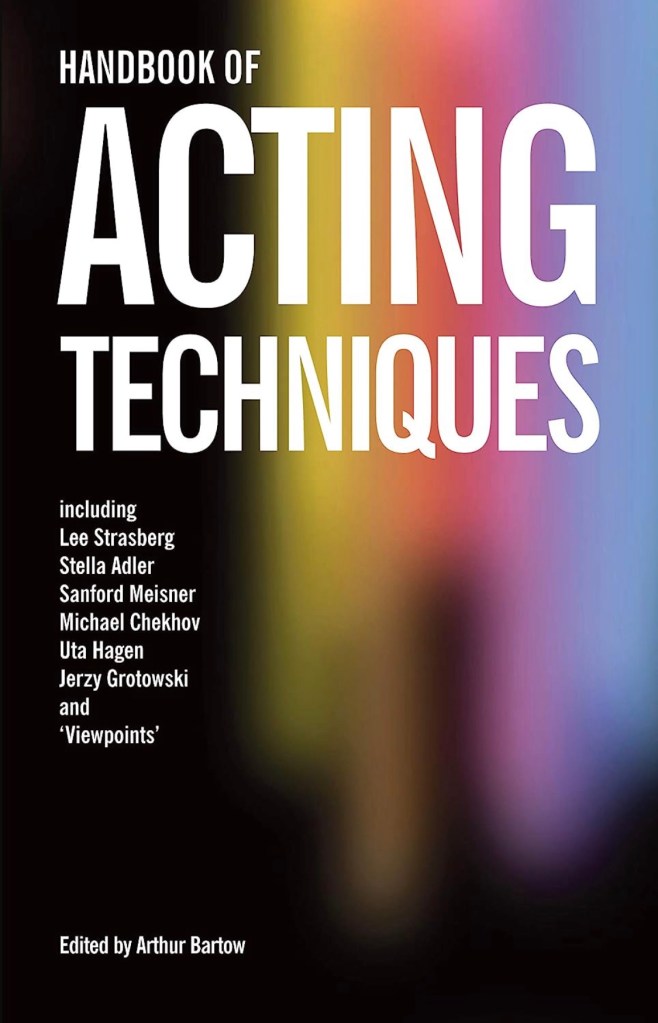
There are several other acting techniques besides the Meisner technique. Some popular ones include:

  1. Stanislavski Method: This technique focuses on an actor’s emotional and psychological preparation for a role. It emphasizes the use of personal experiences and emotions to create a believable performance.
  2. Method Acting: Developed by Lee Strasberg, this technique encourages actors to deeply immerse themselves in their characters by drawing upon their own memories, emotions, and sensory experiences.
  3. Chekhov Technique: Created by Michael Chekhov, this technique combines elements of imagination, physicality, and psychological analysis to create a more expressive and dynamic performance.
  4. Adler Technique: Founded by Stella Adler, this technique emphasizes the importance of understanding a character’s given circumstances and using them to inform the actor’s choices and actions.
  5. Viewpoints Technique: Originally developed by Mary Overlie and later adapted by Anne Bogart, this technique focuses on the actor’s physicality and spatial awareness, exploring how movement and positioning can enhance storytelling.

These are just a few examples of the many different acting techniques available. Each technique offers its own unique approach to training and performance, so it’s important for actors to explore and find the methods that resonate with them.

Stanislavsky

Video Source: Mercatorinfogr

Method Acting

Video Source: Behind The Screen

Chekhov Technique

Video Source: Vincent Bagnall

Adler Technique

Video Source: Stella Adler Academy

Viewpoints Technique

Video Source: Terra Mysterium
Click this book to purchase!

Extraordinary Cinema Lens & Cameras

Video Source: Camera Zone

There are many great lenses to consider for recording on a cinema camera, depending on your specific needs and budget. Some popular options among filmmakers include:

  1. Prime lenses: These fixed focal length lenses offer excellent image quality and are often preferred for their sharpness and low-light performance. Brands like Zeiss, Cooke, and Leica produce high-quality prime lenses.
  2. Zoom lenses: These lenses provide flexibility by allowing you to adjust the focal length as needed without changing lenses. Popular choices include the Canon CN-E series and the Fujinon MK series.
  3. Anamorphic lenses: If you’re looking to achieve a cinematic widescreen look with horizontal lens flares and a unique aspect ratio, anamorphic lenses can be a great option. Popular brands include Cooke, Panavision, and Atlas Lens Co.
  4. Vintage lenses: Some filmmakers prefer using vintage lenses to achieve a specific aesthetic or unique characteristics like flare, softness, and vignetting. Brands like Canon FD, Nikon AI-S, and Leica R are popular choices.

The best lenses for you will depend on your specific shooting style, the types of projects you’re working on, and your budget. It’s always a good idea to try out different lenses and see which ones suit your needs and preferences the most.

When it comes to cinema lenses, there are several brands and models that are highly regarded by professionals in the industry. Some popular choices include:

  1. Zeiss Master Prime: These lenses are known for their exceptional image quality, low distortion, and precise focus control. They are widely used in high-end productions.
  2. Cooke S4/i: Cooke lenses are renowned for their warm and cinematic look. The S4/i series offers consistent color rendition, sharpness, and smooth bokeh.
  3. ARRI/Zeiss Master Anamorphic: If you’re looking to achieve a cinematic widescreen aspect ratio, anamorphic lenses are a great option. The ARRI/Zeiss Master Anamorphic lenses are highly regarded for their high resolution, low distortion, and pleasing bokeh.
  4. Leica Summilux-C: Leica lenses are known for their outstanding build quality and optical performance. The Summilux-C series offers consistent color reproduction, high contrast, and a smooth rendering of out-of-focus areas.

It’s important to note that these lenses can be quite expensive, so they might not be suitable for every budget. Additionally, the best lens for cinema will depend on your specific needs and preferences, such as the focal length range you require and the desired look you want to achieve. It’s always a good idea to test out different lenses before making a decision.

There isn’t a specific lens number that can shoot anything, as it depends on the specific requirements and preferences of the photographer or videographer. However, a versatile and popular lens choice is a zoom lens with a wide focal length range, such as a 24-70mm or 18-200mm lens. These lenses offer flexibility for various shooting situations, from wide-angle to telephoto, making them suitable for capturing a wide range of subjects. It’s important to consider your specific shooting needs and preferred focal lengths when choosing a lens.

Video Source: br8 future.
Click the Amazon button to check on these and other cameras, from starters, to PRO.
Video Source: Alex Zarfati